
"station fruit"
2000 article(s) found

First place in 2018 Rwanda COE Excellence Cup | Rwanda Twumba Gitabura Cell Nyaruya
Professional coffee knowledge exchange more coffee bean information please follow the coffee workshop (Wechat official account cafe_style) 2018 Rwanda COE Excellence Cup No. 1 | Rwanda Twumba Gitabura Cell Nyaruyaga village coffee flavor and taste? The Twumba coffee washing station is located in the village of Nyaruyaga in Gitabura Cell, Twumba District, Karongi District, West Province of Rwanda. The place
Introduction of Chimere Manor in Lutesilo, West Province, Malaba Coffee region, Rwanda
The first problem for Malaba coffee farmers is to set up a cleaning station. The coffee fruit must be transported to the cleaning station to wash the sugar under the skin of the coffee bean within 12 hours after picking, otherwise the flavor of the coffee will be greatly damaged. In July 2001, with UNR, the Ministry of Culture and Industry of Rwanda (Office des Cultures Industrielles du Rwanda,OCIR-Caf), ACD

The flavor and taste of Rwandan Malaba coffee with breath and aroma
The first problem for Malaba coffee farmers is to set up a cleaning station. The coffee fruit must be transported to the cleaning station to wash the sugar under the skin of the coffee bean within 12 hours after picking, otherwise the flavor of the coffee will be greatly damaged. In July 2001, with UNR, the Ministry of Culture and Industry of Rwanda (Office des Cultures Industrielles du Rwanda,OCIR-Caf), ACD

Lutesilo producing area of the western province of Malaba coffee in Rwanda
The first problem for Malaba coffee farmers is to set up a cleaning station. The coffee fruit must be transported to the cleaning station to wash the sugar under the skin of the coffee bean within 12 hours after picking, otherwise the flavor of the coffee will be greatly damaged. In July 2001, with UNR, the Ministry of Culture and Industry of Rwanda (Office des Cultures Industrielles du Rwanda,OCIR-Caf), ACD

The Historical Origin of Rwandan Coffee
Historical editors originate that Rwandans have been growing coffee since colonial times, but until 1999, its products were still classified as below Class C and were not popular in the global market. The reason for the poor quality is that farmers do not have a fixed procedure for washing coffee beans and do not process coffee fruits according to specifications in time. Buyers buy coffee beans at $0.33 per kilogram, which farmers earn at low prices.
How to brew Beloya coffee with the flavor of Yega Chefeld Coffee and Sidamo Coffee?
Professional coffee knowledge exchange more coffee bean information Please follow Coffee Workshop (Wechat official account cafe_style) when it comes to coffee producing areas in Ethiopia, the famous Yegashifi and Sidamo always have a place in the hearts of coffee lovers. Qianjie Coffee tested the coffee beans in two producing areas by cup, and found that the coffee beans in Yega Xuefei producing area have a faint floral fragrance and bring flavor.

What are the characteristics of the treatment of coffee red honey? a brief introduction to the treatment of coffee red honey
Professional coffee knowledge exchange more coffee bean information please follow the coffee workshop (Wechat official account cafe_style) in front of the street Yegashefi Syringa Foge processing station Honey Fruit Sun Coffee introduction Yegashafi is one of the most legendary towns in Ethiopia. People who love individual coffee must have drunk the coffee produced here. And people who don't know about coffee are browsing Weibo and official accounts.

Introduction of washed Rwanda coffee beans classification of fine coffee
Rwandans have been growing coffee since colonial times, but until 1999, its products were still classified as below Class C and were not popular in the global market. The reason for the poor quality is that farmers do not have a fixed procedure for washing coffee beans and do not process coffee fruits according to specifications in time. Buyers buy coffee beans at $0.33 per kilogram, and farmers keep warm by the meagre profits earned at low prices.
African Boutique Coffee Rwanda West Musioi Wash
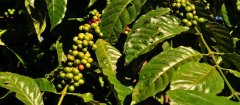
Rwandan coffee, like many African countries, is mainly produced by small farmers. During the harvest period, the ripe coffee cherries are collected and sent to the processing station for processing. Every year, farmers gather ripe coffee berries for processing at processing stations, first picking them by hand to ensure that no immature or damaged fruit is mixed in. Then remove the peel and ring at cool temperatures

Introduction of Rwanda Coffee Variety-Malaba Coffee beans
Rwandans have been growing coffee since colonial times, but until 1999, its products were still classified as below Class C and were not popular in the global market. The reason for the poor quality is that farmers do not have a fixed procedure for washing coffee beans and do not process coffee fruits according to specifications in time. Buyers buy coffee beans at $0.33 per kilogram, and farmers keep warm by the meagre profits earned at low prices.

Single bourbon beans Musiui washing in the western province of Luanda, Rwanda
Like many African countries, Rwandan coffee is mainly produced by small farmers, and the ripe cherry fruits are collected and sent to the processing station every year during the harvest period. During the annual harvest period, the ripe coffee berries picked by farmers are concentrated in the treatment station for treatment, first selected by hand to ensure that no immature or damaged fruit is mixed in. Then remove the peel in a cool, cold ring

How about Rwandan coffee? Musa Gata Guana processing station sun red bourbon introduction
Rwanda Musa Gata Guana processing Station Rwanda is famous for its "Land of Thousand Hills" and the biographical film "Land of Gorillas in the Mist". The country is less than half the size of Scotland, but it has more than 3 million inhabitants. It is a small landlocked country in East Africa with hilly terrain and fertile soil.
Coffee beans in the world's major producing areas of coffee harvest
To ensure that coffee cherries do not spoil, they are delivered to coffee receiving stations on the day they are picked. Low-quality coffee cherries are disposed of when picked and delivered to receiving stations. Macado's Brazilian farms have their own coffee receiving stations to complete the process. The receiving station uses a tank for preliminary cleaning and screening, also known as Pre-cleaning and floa.

Musasa Musasha Group, Ruli Sector, Rwanda| Gattaguana treatment station washing red wave
Professional coffee knowledge exchange More coffee bean information Please pay attention to coffee workshop (Weixin Official Accounts cafe_style) Rwanda Ruli Sector production area Musasa Musasha Group| Gattaguana processing station washed red bourbon flavor? Rwanda is known as the Land of Thousand Hills and the biographical film Land of Gorillas.

Introduction to the flavor description of the long aftertaste of Rwandan coffee beans produced by regional treatment
The taste of Rwandan coffee is described as a grassy aroma with tropical climates. in addition to the sweetness of fruit, this coffee also gives people a feeling of freshness, clarity, and freshness. Bourbon coffee grown in Rwanda is amazing for its sweet fruit, full-bodied, unrestrained and lingering aftertaste. This kind of coffee is delicious

The origin of coffee beans in Rwanda Coffee bean powder is too weak.
The Rwandans of origin have been growing coffee since colonial times, but until 1999, its products were still classified as below Class C and were not popular in the global market. The reason for the poor quality is that farmers do not have a fixed procedure for washing coffee beans and do not process coffee fruits according to specifications in time. Buyers buy coffee beans at $0.33 per kilogram, and farmers rely on the meagre profits earned at low prices.

Fine coffee bourbon beans washed in Muxiui producing area in the western province of Luanda, Rwanda
Like many African countries, Rwandan coffee is mainly produced by small farmers, and the ripe cherry fruits are collected and sent to the processing station every year during the harvest period. During the annual harvest period, the ripe coffee berries picked by farmers are concentrated in the treatment station for treatment, first selected by hand to ensure that no immature or damaged fruit is mixed in. Then remove the peel in a cool, cold ring

Bourbon beans, Rwanda coffee, Musuyi boutique coffee in the western province of Luanda.
Like many African countries, Rwandan coffee is mainly produced by small farmers, and the ripe cherry fruits are collected and sent to the processing station every year during the harvest period. During the annual harvest period, the ripe coffee berries picked by farmers are concentrated in the treatment station for treatment, first selected by hand to ensure that no immature or damaged fruit is mixed in. Then remove the peel in a cool, cold ring

Alibaba rural e-commerce "Binchuan model" launched Zhukula coffee and sold 6000 orders in 3 days.
Yesterday morning, Li Qinghua, a purchasing agent at the Alibaba e-commerce service station in Xinping Village, Jinniu Town, Binchuan County, was busy helping villagers shop for goods online. Our Binchuan has grapes and oranges, as well as winter peaches and dragon fruits, which is also the birthplace of China's first coffee. If it is exported to more people, they can also try Binchuan's good specialties! Li Qinghua said

An introduction to the characteristics of the manor producing area with a rich taste of Rwanda boutique coffee
Rwandans have been growing coffee since colonial times, but until 1999, its products were still classified as below Class C and were not popular in the global market. The reason for the poor quality is that farmers do not have a fixed procedure for washing coffee beans and do not process coffee fruits according to specifications in time. Buyers buy coffee beans at $0.33 per kilogram, and farmers keep warm by the meagre profits earned at low prices.